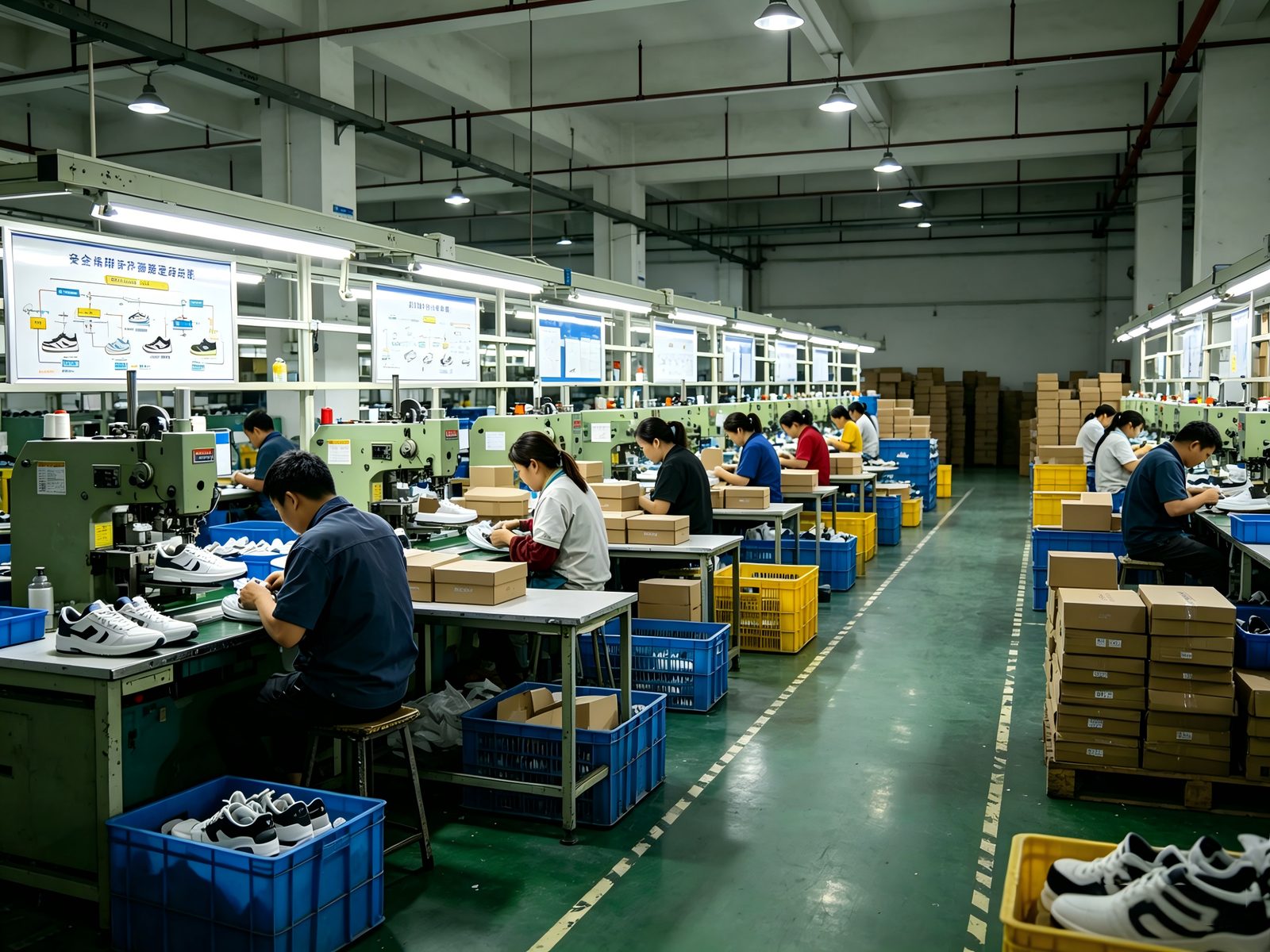
Quick Answer: A footwear quotation is not one price — it is a price plus assumptions about who pays for what. FOB, EXW, CIF and DDP decide how much of the journey from Xiamen to your warehouse sits inside the number you read. Our standard basis is FOB Xiamen or EXW, a 600-pair minimum per colour, 25–35 days from deposit. Convert every quote to one basis before comparing, or the cheapest number on the page is usually the wrong one.
In this guide:
- What a quotation actually contains
- The four terms at a glance
- EXW: the lowest number is not the cheapest
- FOB Xiamen: what the factory price covers
- CIF: freight bought in your name
- DDP: convenience with a cushion inside
- Convert every quote to one basis
- Costs that never appear on the quote
- How we quote this order on our side
- Five mistakes buyers make
- Which term to ask for, by buyer type
- FAQ
What a Footwear Quotation Actually Contains
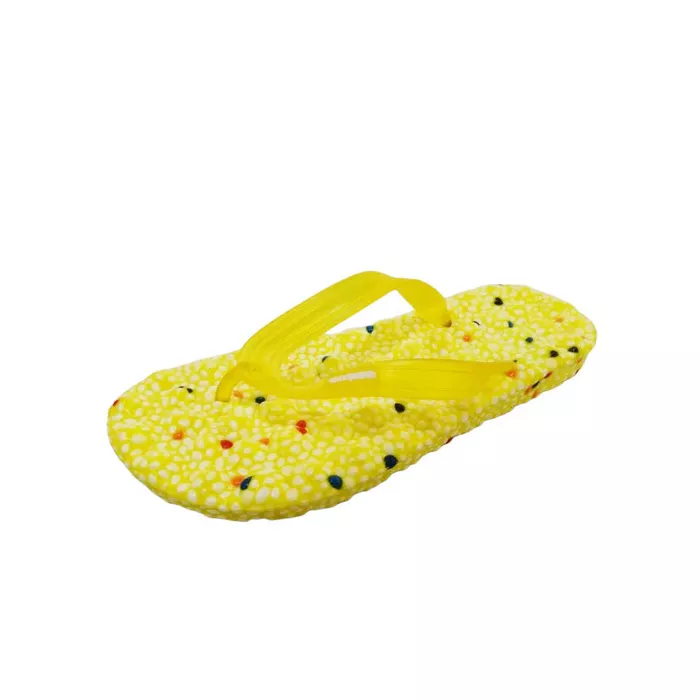
A properly written quotation has seven parts, and most buyers read only the first: unit price per pair, currency, incoterm with a named port or place, validity date, packing specification, lead time and payment terms. The incoterm moves the other lines most: the same EVA clog quoted at FOB Xiamen and at DDP Hamburg can differ by a third of the order value without the factory changing a single input — the difference is freight, insurance, duty and risk. So read the terms before the numbers. A document without an incoterm, a validity date and a packing basis is not a quotation; it is a starting position, and it should go back with those three lines requested.
The Four Terms at a Glance
Four terms cover almost every footwear quote. The table shows where the factory's job ends, what you still arrange, and the trap inside: moving from EXW towards DDP, the factory does more and prices more while your visibility shrinks.
| Term | Factory's job ends | Buyer still arranges | The trap inside |
|---|---|---|---|
| EXW | Factory gate, goods packed | Trucking, export clearance, freight, insurance, duty | Lowest number, most work; real cost comes later |
| FOB | On board at the named port | Ocean freight, insurance, destination charges, duty | Forwarder rates and port fees decide the real gap |
| CIF | Destination port, freight and insurance paid | Import clearance, duty, inland delivery | Minimum insurance cover; risk passes at the ship's rail |
| DDP | Your warehouse, duty paid | Almost nothing | Margin hides in one lump sum; almost impossible to compare |
| Our standard | FOB Xiamen or EXW | Freight and beyond, or nothing under EXW | Every line stays visible and comparable |
EXW: The Lowest Number Is Not the Cheapest
EXW puts the pairs on pallets at our gate and hands you everything after: trucking to port, export clearance, terminal charges, ocean freight, insurance, import duty, inland delivery. Buyers like EXW because the number is clean, then discover the export side adds cost and coordination from another time zone. EXW makes sense when your own forwarder in China collects from several factories, or when two suppliers must be priced strictly like-for-like. Otherwise you buy logistics one invoice at a time, usually at worse rates than a factory's agent. If a supplier quotes only EXW and will not state FOB, ask why — a factory that ships every week knows its FOB number to the cent.
FOB Xiamen: What the Factory Price Covers
FOB is the working default of Chinese footwear export, and our standard basis. Under FOB Xiamen we deliver the goods on board, clear them for export, and pay every cost to that rail: inland trucking, terminal handling, documentation. You buy the ocean freight and everything after. Two factories quoting FOB the same port are quoting the same obligation, and your forwarder choice decides the totals after it. Note what FOB does not do: it does not make the factory your insurer, and it does not absorb freight spikes — if ocean rates move between quote and booking, that movement sits on your side. Packing matters too: a faux fur mule and a chunky runner cube out differently, so confirm what the FOB price assumes.
CIF: Freight Bought in Your Name, Not on Your Terms
CIF looks generous: the factory pays freight and insurance to your port. Read the small print. The C is cost — the factory buys the cheapest workable freight and the minimum insurance cover the term requires, and once the goods pass the ship's rail the risk is yours even though we paid the freight bill. A delay or claim lands on you without a carrier contract. CIF is reasonable when you have no forwarder and want a single invoice, and common on smaller LCL shipments. Before accepting, ask which carrier class the freight assumes and what insurance percentage it carries. If either answer is vague, price CIF against FOB plus your own forwarder — the spread is usually a few cents a pair that buys control.
DDP: Convenience With a Cushion Inside
DDP makes the factory a courier: we deliver to your warehouse with duty paid. For a buyer with no broker and no import staff, it removes every step. But DDP is the least transparent term on the page. The lump sum contains freight, insurance, duty and the factory's margin on all three, each padded for currency and rate risk. Two DDP quotes are nearly impossible to compare: you cannot see whether one factory is cheaper at the line or just braver with its duty estimate. Use DDP for trials and small repeats where simplicity beats optimisation. For volume, ask for DDP broken into FOB plus freight plus duty; most factories will show it.
Convert Every Quote to One Basis Before Comparing
The habit that saves buyers the most money is conversion. Take every quote and restate it as FOB at the same named port, then compare. The arithmetic fits a spreadsheet: EXW plus estimated trucking and export clearance approximates FOB; CIF minus the freight and insurance lines approximates FOB; DDP minus freight, insurance and duty approximates FOB. Where a supplier will not decompose the number, treat the refusal as information. Conversion also exposes padding: an EXW quote that lands higher than a competitor's FOB tells you the factory ships rarely and prices logistics defensively. Keep conversions beside the original quotes so a freight move re-prices everything at once.
The Costs That Never Appear on the Quote
Whichever term you buy on, some costs sit outside every incoterm and outside most quotations. Budget for them from the first sheet:
- Banking — wire fees, currency spread and confirmation charges on some letters of credit.
- Inspection — third-party pre-shipment inspection is quoted and booked separately.
- Destination charges — terminal handling, documentation and delivery at the arrival port, invoiced under FOB.
- Time — a quote is valid to a date; ocean rates and material prices move, and a stale quote invites renegotiation.
None is large alone; together they are the gap between the quotation you approved and the cost you paid.
How We Quote This Order on Our Side
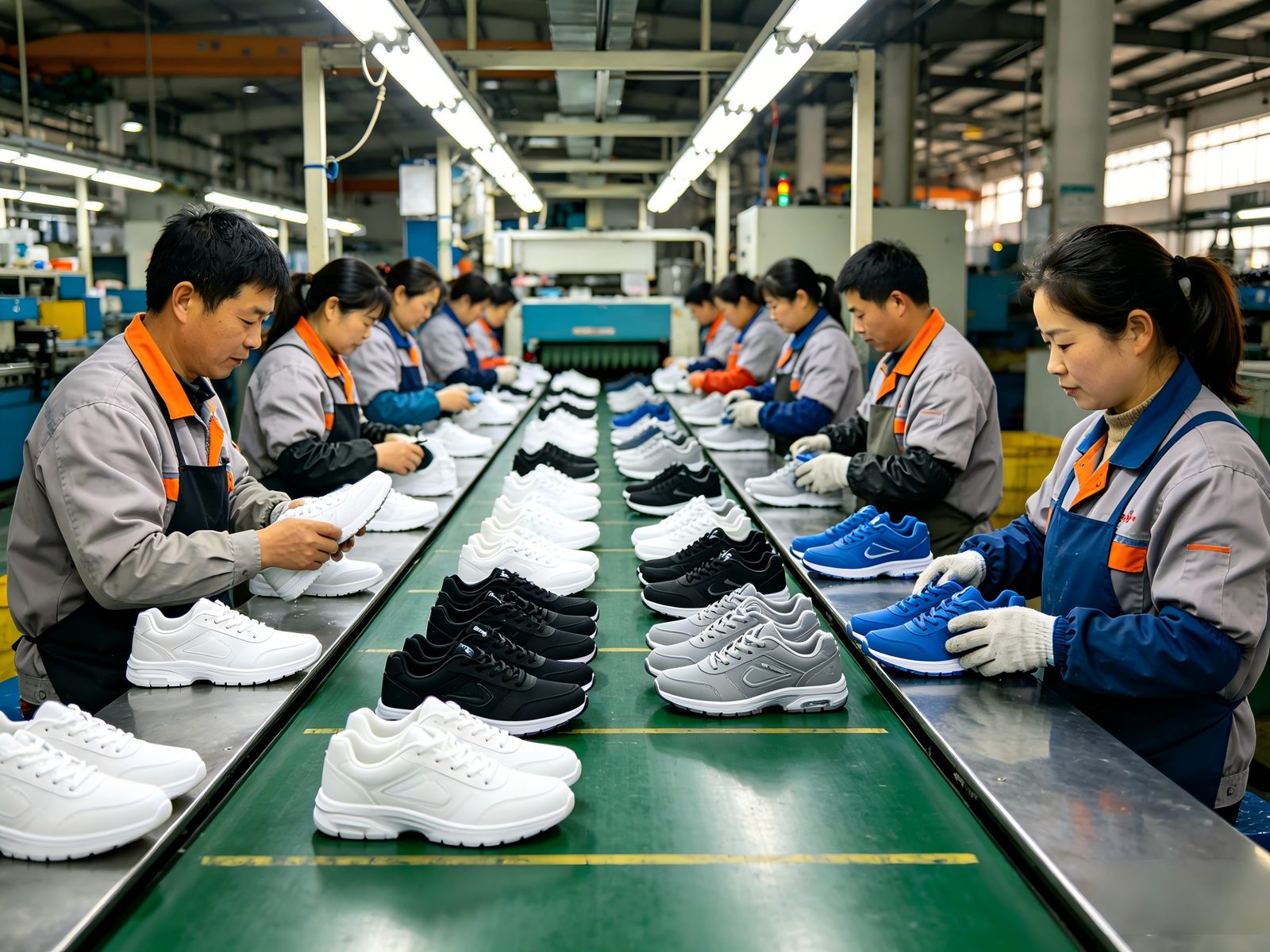
When an enquiry reaches our desk in Jimei, Xiamen, we price the mould and the material first: one-piece injection EVA means tooling and compound drive the number, and colour count drives the rest — our 600-pair minimum per colour fills a colour change without waste. Packing is quoted as one pair per polybag, 30 pairs per carton, because carton count is what your forwarder prices. Lead time runs 25–35 days from deposit and confirmed samples, written on the quote, not promised as a best case. Mix 2-3 styles in one first container and per-pair freight is the line that moves — see our mixed container guide and the MOQ reasoning in the MOQ matrix.
Five Mistakes Buyers Make When Comparing Quotations
Most quotation errors are comparison errors. Five do most of the damage:
- Comparing different incoterms directly — an EXW figure against a CIF figure is not a price gap, it is a scope gap.
- Reading the unit price without the packing basis — boxed and polybagged pairs fill a container differently, and freight shows it.
- Ignoring validity dates — six-week-old quotes were priced on a different market.
- Treating DDP as the total cost — it is a total, but of that factory's estimates, not of the market's.
- Forgetting the second order — a first-order price means little if spec changes, tooling ownership and repeat MOQs were never stated.
Each of the five is invisible in the pair price and visible in the terms page — exactly where quotations are won or lost.
Which Term to Ask For, by Buyer Type
Ordering from China for the first time with no forwarder? Ask for FOB Xiamen plus an introduction to a forwarder the factory already works with. Running your own logistics? Ask EXW and collect. Testing one design and want a single invoice? CIF or DDP on a small run trades margin for simplicity. Whatever you choose, have it written on the quote itself: term, named port or place, validity date, packing, lead time, payment. A quotation that answers all six is a document you can order against; anything less is a conversation. Our casual series lists models quoted on exactly this basis, and the contact page reaches Nicky Chen directly.
FAQ
Which incoterm should a first-time buyer ask for?
FOB at a named Chinese port. The factory stays responsible for export clearance and delivery on board — what you cannot do from abroad — while you control freight, insurance and duty through your own forwarder, where those costs are visible and negotiable.
Is a lower EXW price automatically better?
No. EXW removes the factory's export costs from the quote, not from your order. You pay trucking, clearance and terminal charges instead. Compare EXW and FOB only after converting both to the same basis.
Under FOB, who books the vessel and pays the freight?
You do, normally through your forwarder. The factory delivers the container on board and clears export; from that rail forward, freight, insurance and destination charges belong to you. Agree cut-off dates in writing.
Does CIF mean the factory is responsible if goods are damaged at sea?
No. Under CIF the factory pays freight and minimum insurance, but risk passes to you when the goods are on board at the origin port. Claims run on the insurance policy, so check its cover level first.
Why do two factories quote different FOB prices for the same slipper?
Different moulds, material densities, packing assumptions and validity dates. One may amortise tooling into the pair price, another lists it separately. Ask each supplier for the same breakdown — tooling, packing, validity, incoterm — and the gap usually explains itself.
Send the artwork and your target retail price and we will come back with a mould, a print method and a landed cost.