Quick Answer: A landed cost model is not a figure a shoe factory can quote. The importer of record owes the duty and must classify the goods under reasonable care; we supply the material and packing data that make that classification possible. Our standard carton holds 30 pairs, and production runs 25-35 days after sample approval. Carton count and cube feed freight; the duty side belongs to your broker. Request a component declaration per style before you approve the sample.
In this guide:
- What a landed cost model has to answer
- Who owes the duty, and who decides the classification
- Classification comes before any calculation
- The layers that stack on the base line
- Factory-supplied data vs importer-decided data: a comparison
- The documents to request before sample approval
- How we plan this run from the factory side
- What changes when a material or print changes
- Mixed containers need one declaration per style
- Where buyers get this wrong
- Samples, parcels and the low-value exemption
- FAQ
What a Landed Cost Model Has to Answer
A landed cost model answers one question: what does a pair cost once it clears the port? The inputs split into two groups with different owners. On one side sit the invoice value, carton count, cube, weight, freight and insurance. On the other sit the classification, country of origin and the measures in force at entry. A supplier in Xiamen controls the first group and can put it in writing, not the second. A delivered, duties-paid figure is not one a factory has standing to give, and it may change before the container arrives. Our FOB and EXW guide sets out that handover.
Who Owes the Duty, and Who Decides the Classification
Under 19 U.S.C. 1484 the importer of record is responsible for entering the goods, and the law asks for reasonable care in classification, valuation and documentation. That duty sits with the party named on the entry, not with the factory or forwarder. A licensed broker files on the importer's behalf, but the exposure stays with the importer. CBP makes the final call; where the answer is uncertain, an importer can request a binding ruling under 19 CFR Part 177, and the public CROSS database shows how CBP has treated comparable goods. None of these steps can be completed by a supplier. What moves it forward is a precise description: upper material, outer sole, construction and intended use. Vague lines such as footwear are not classifiable, and a broker will send them back.
Classification Comes Before Any Calculation
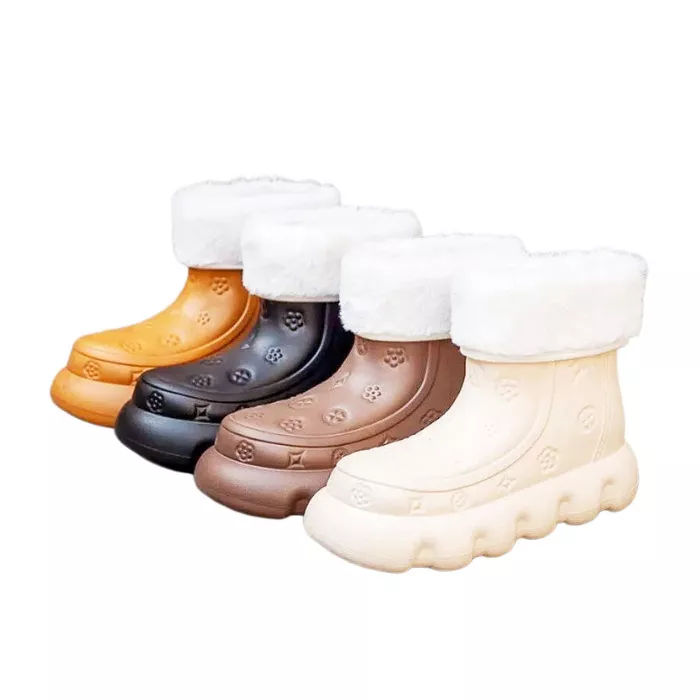
Chapter 64 of the Harmonized Tariff Schedule is built around construction and materials, not appearance. The upper material, the outer sole, whether the shoe covers the ankle, and whether it is waterproof or protective all push a style into one heading or another. Our guide to headings 6402 and 6404 explains why the upper, not the sole, separates those two. A one-piece injection moulded EVA clog with no midsole seam and no glue line is a different article from a mesh runner with a cemented upper, and a lined indoor mule is different again. Because classification drives every layer above it, a model built on a guessed heading is simply unresolved. Settle the heading with your broker first, then let the arithmetic follow.
The Layers That Stack on the Base Line
The HTS sets a base line per tariff line, and the USITC maintains a separate China Tariffs section because measures on Chinese-origin goods are recorded in Chapter 99 rather than rewritten into Chapter 64. An entry can therefore carry a base line plus additional measures, depending on the exact line, the origin and the date of entry. Lists are reviewed, exclusions expire, and new actions are announced through the Federal Register. We do not publish a duty figure on a public page: a number copied from a blog post can be obsolete by the time a 25-35 day production run finishes. The workable model keeps that layer as a variable. Ask your broker to confirm the layers that apply to your line at entry, keep the confirmation dated, and refresh it before each reorder.
Factory-Supplied Data vs Importer-Decided Data: A Comparison
The fastest way to unblock a stalled email thread is to split the model into two columns. Here is how we separate the work on a private-label order.
| Input | Who supplies it | Who decides | What can be put in writing |
|---|---|---|---|
| Upper, lining and sole materials | Factory | Importer declares | Named materials per style and colourway |
| Construction and print method | Factory | Importer declares | One-piece EVA or cemented upper, with any coating stated |
| Packing and carton data | Factory | Importer uses it | 1 pair per polybag, 30 pairs per outer carton, carton cube |
| Country of origin | Factory | CBP accepts | Origin statement on the invoice |
| Tariff classification | Factory supplies facts | Importer of record | We do not issue a classification |
| Measures in force at entry | No one at the factory | Destination authority | We do not publish a duty figure |
The right-hand column is the boundary: what we can produce from the production file, and what belongs at the destination on the date of entry.
The Documents to Request Before Sample Approval
Ask for the file before you approve the sample, not after the container is booked. A complete pack lets a broker classify without a second round of questions.
- A component declaration naming upper, lining, insole and sole materials per style and colourway.
- A construction note: one-piece EVA or a cemented upper, with any coating or print method stated.
- A packing specification: 1 pair per polybag, 30 pairs per carton, carton dimensions and weight.
- A written change clause requiring notice before any material, print or packaging substitution.
These are production documents, not certificates. For a customs ruling or a duty guarantee, no such document exists to hand over: those come from the destination authority.
How We Plan This Run From the Factory Side
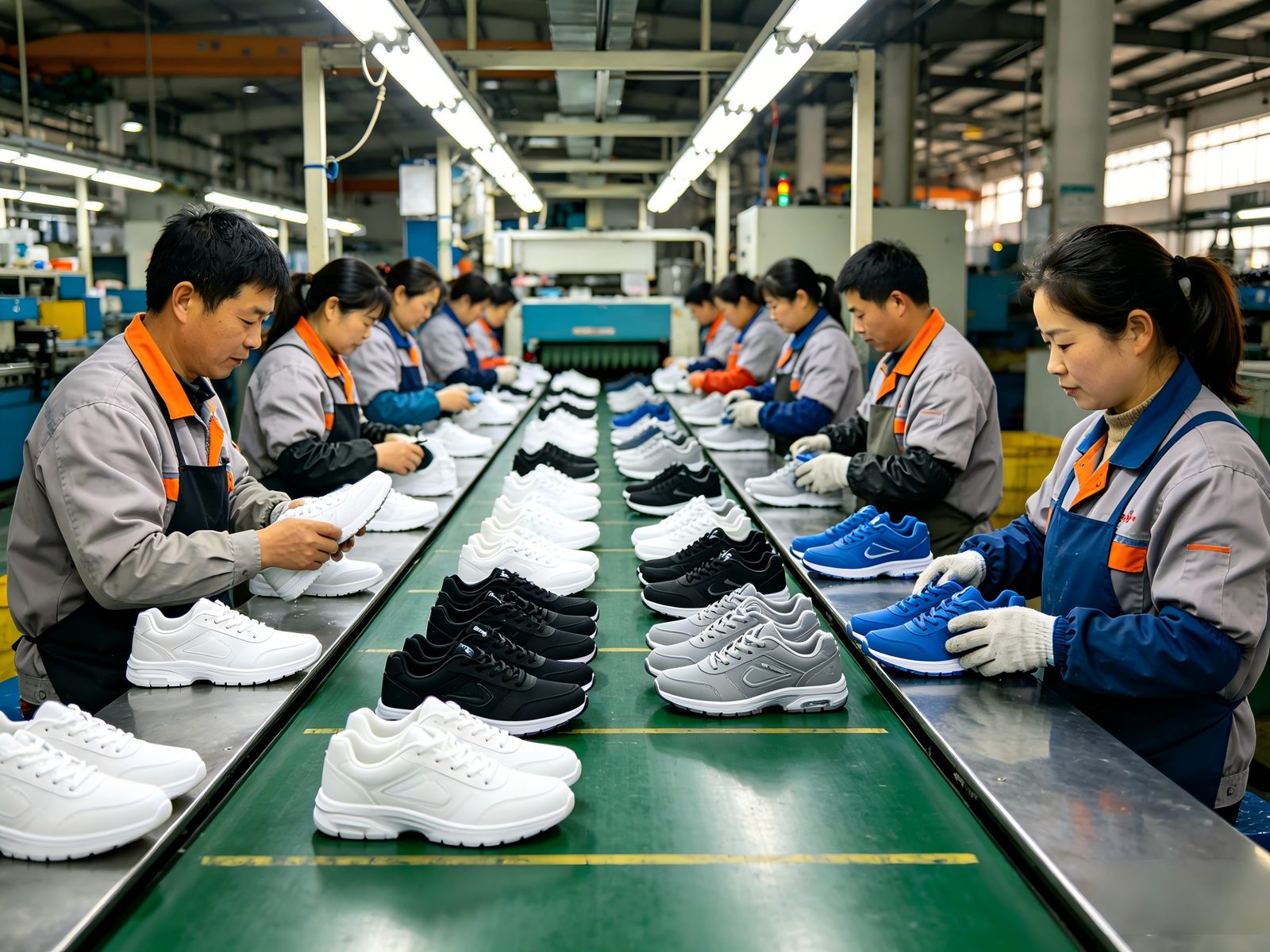
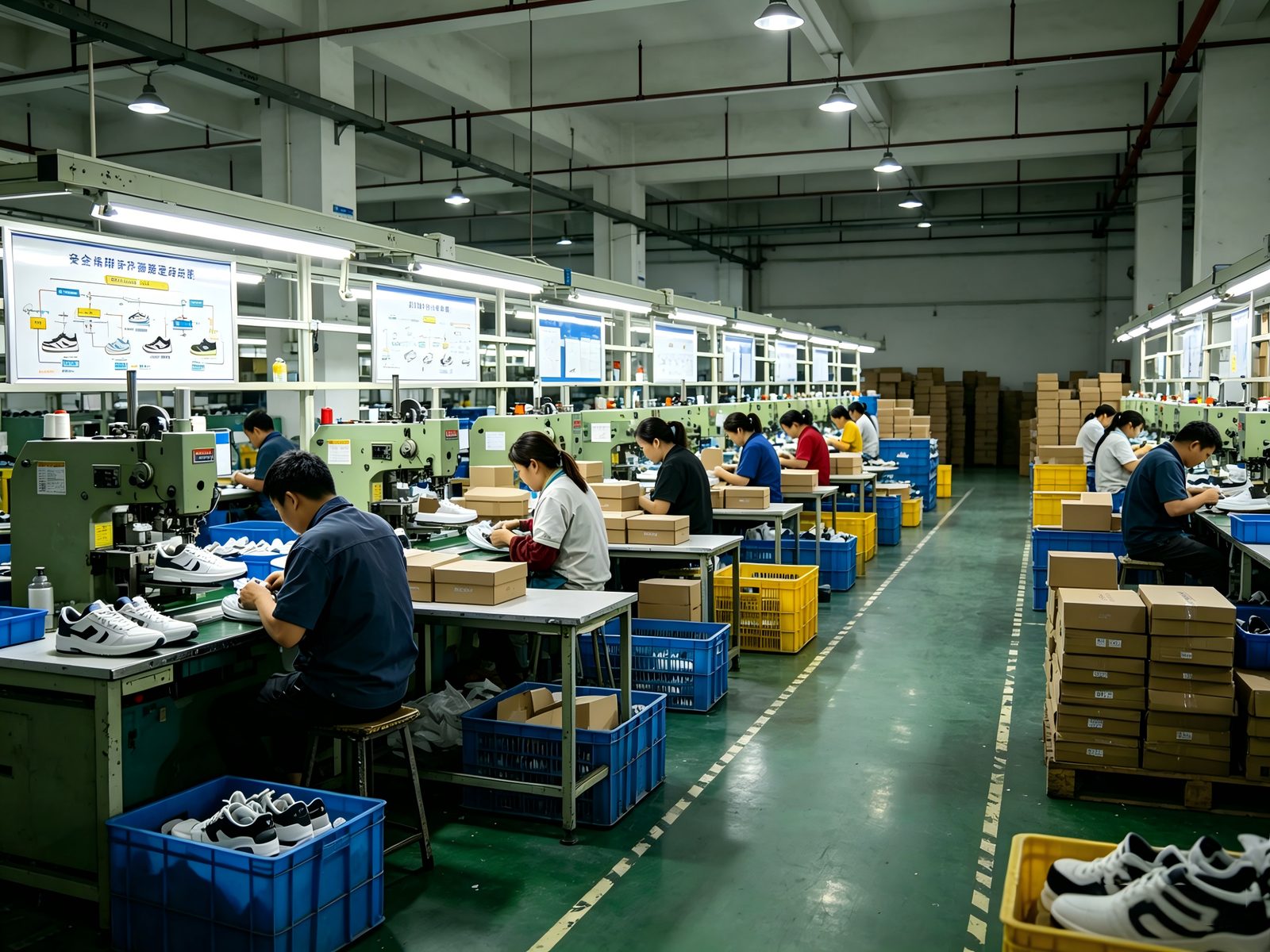
From the production side, we plan a first run like this. We take the artwork, confirm which of the seven series it belongs to, and check whether it uses an existing mould family or needs tooling. MOQ is 600 pairs per colour, and a first order can combine 2-3 styles in a mixed container. After deposit and sample approval, production runs 25-35 days; we ship FOB Xiamen or EXW. Alongside it we prepare the component declaration, packing specification, invoice and packing list, so the carton count, cube and material description match the goods. We have shipped to more than 60 countries over 12 years, across 500+ SKUs, and the recurring delay is not on the line: it is a description on paper that does not match the shoe in the box.
What Changes When a Material or Print Changes
Tariff work is not one-time. A change of upper fabric, a coated layer, a different outsole compound, or a switch from a printed to a moulded logo can move the facts a classification rests on. The moulded garden clog and a textile-upper style may share a carton but not a heading. Our practice is to tie the declaration to a versioned spec sheet and to require written notice before a substitution enters production. If we propose a change, we reissue the declaration. If you approve a change with your own designer, tell your broker too. A model built on the original sample is only valid for that sample; discovering it at the port means a delayed release.
Mixed Containers Need One Declaration per Style
Mixed containers are routine: a first order can combine 2-3 styles so a buyer can test a market, and the home-comfort series is often where that starts. The complication is paperwork. One container is not one article: a moulded EVA clog, a mesh runner and a kids boot carry different material statements. Ask for one declaration per style and colourway, with the packing list showing the same breakdown. Children's sizes run 24#-29# and 30#-35#, another field to keep consistent between invoice and carton. Matching papers to goods is what lets a broker file without a query.
Where Buyers Get This Wrong
The failures we hear about come from a small set of assumptions that survive because nobody writes them down.
- Asking the factory for a duty-inclusive delivered figure and treating the reply as a commitment.
- Carrying last season's measures into a new model without asking the broker to reconfirm.
- Using a category average for Chapter 64 instead of the line matching the actual shoe.
- Assuming a sample parcel arrives without an entry obligation.
- Letting a material change reach production without reissuing the declaration.
Each is fixable before the goods leave Xiamen. After arrival they become amendments, queries and storage.
Samples, Parcels and the Low-Value Exemption
For years, low-value shipments could enter under a simplified de minimis route, and buyers treated samples as administratively light. That exemption has been suspended for shipments from all origins, and postal and informal entry rules continue to be revised. A sample pair is still a physical import with a description, an origin and a value; it does not become invisible because a courier handles the paperwork. Ask your broker which entry type applies before you request a sample, and keep the same declaration for the sample and the production run.
FAQ
Can you tell us the duty we will pay?
No. We do not issue a duty figure, a classification ruling or a customs certificate, and no such document exists to hand over from a factory. The importer and its broker determine the classification and the measures at entry. We supply the material, construction and packing data before sample approval.
Which Incoterm should we model?
We quote FOB Xiamen or EXW. FOB leaves freight, insurance, entry and duty on the buyer's side; EXW leaves even the domestic leg with the buyer. Neither transfers the importer's obligations to us. Our quotation guide walks through that boundary.
Does a mixed container change the classification work?
It adds to it. A first order of 2-3 styles is normal, but each style and colourway needs its own declaration; a single line reading footwear is not enough for a broker to file confidently.
What if the material changes after we approve the sample?
Tell both sides. We reissue the declaration and version the spec sheet before the change enters production; your broker then checks whether the classification still holds.
Do you hold certificates for US customs?
We do not claim a customs certificate, a pre-approved status or an exemption document for US entries. What we can provide is the production file: component declaration, construction note, packing specification, invoice and packing list, aligned with the approved sample.
Contact our team to start the file. Send the artwork and your target retail price and we will come back with a mould, a print method and a landed cost.