Quick Answer: Most of a factory audit can be done remotely. Send a document request, book a live video walkthrough during production hours, have a sample cut open on camera, and cross-check every claim against evidence. A factory that answers in one working day, in numbers — 600 pairs per colour, 25–35 days from deposit — has passed half the audit already. Save the flight for your first full container.
In this guide:
- What a remote audit can and cannot prove
- Start with documents, not cameras
- The checks, remote versus on-site
- The live video walkthrough
- Dissect the sample, don't admire it
- Production-time evidence beats sales-time evidence
- Reading capacity claims against a real order
- How we host a remote audit from our side
- When to bring in a third-party inspector
- Mistakes buyers make with remote audits
- From audit to trial order
- FAQ
What a Remote Audit Can and Cannot Prove
A remote audit proves that a real factory exists behind the quotation, and that the answers come from someone who knows production. It cannot prove how a line behaves on the day your order runs, or smell a workshop. The gap is smaller than buyers fear: the expensive failures — wrong material, wrong packing, a mould that does not match the artwork — are all visible before shipping. Treat it as a filter, not a certificate: it tells you whether this supplier deserves a trial order, and the trial does the final audit under real conditions. The seven-step supplier check is the companion piece.
Start With Documents, Not Cameras
Cameras come second. The first email asks for a short, specific set: business licence, export record, a line list, the machine list for your construction, and written answers on MOQ, lead time, packing basis and payment terms. Each document can be cross-checked somewhere else — a licence against a public registry, a machine list against the walkthrough you will request later — and a factory that resists the list is telling you something. Ask for everything in one request, not five. The reply itself is evidence: a complete answer with named numbers reads like a factory; a brochure with your product name pasted in reads like a desk.
The Checks, Remote Versus On-Site
Six checks carry most of the audit — what each shows through a screen, and what a visit still adds.
| Check | What remote evidence shows | What standing on the floor adds |
|---|---|---|
| Licence and export record | Scan plus registry lookup, names matched | Almost nothing — a paper check anyway |
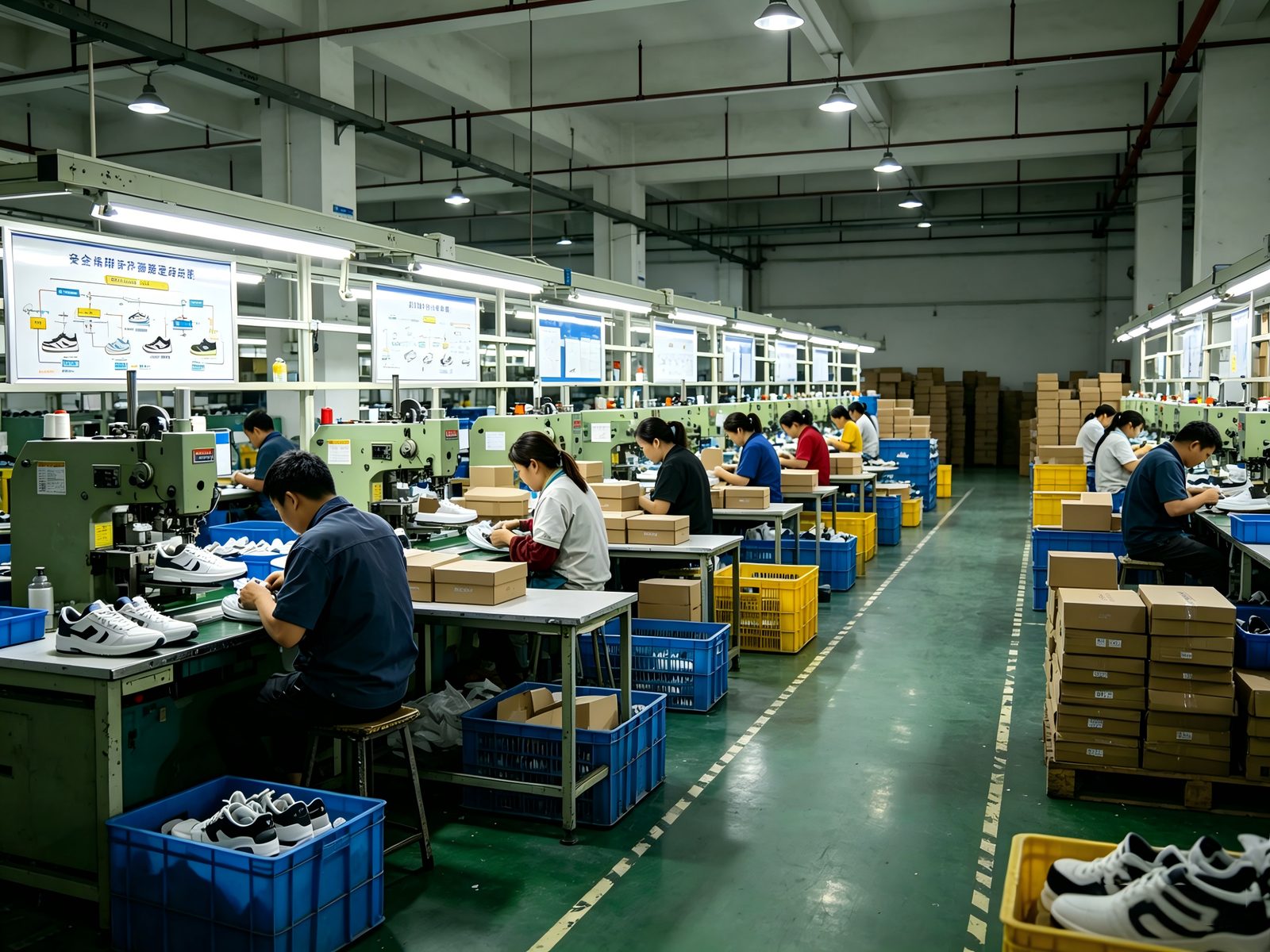
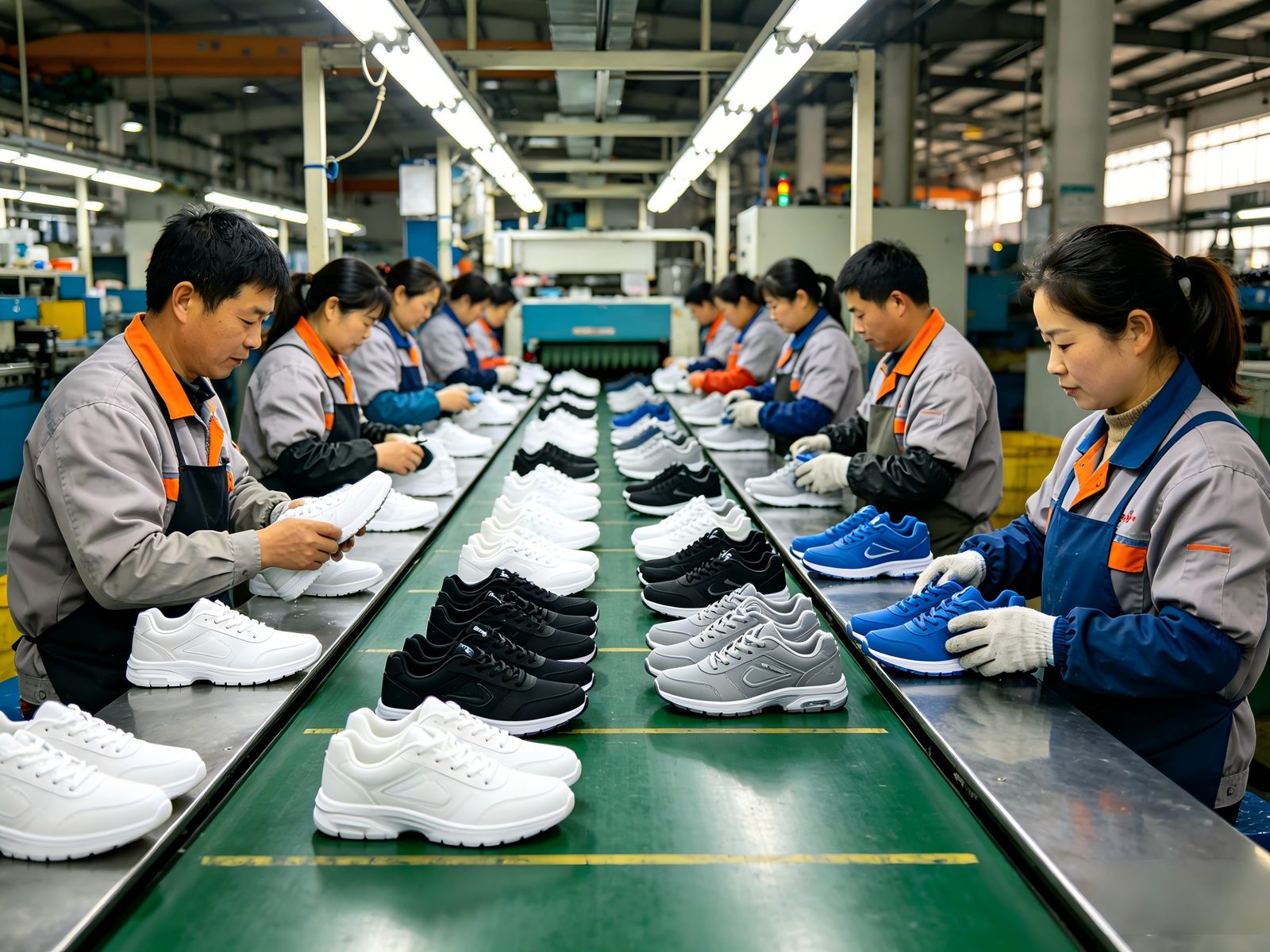
| Production lines | Live walkthrough shows lines running, stations staffed | Pace, housekeeping, how the floor feels |
| Machines and moulds | Machine list, then nameplates shown on camera | Whether maintenance is real or scheduled |
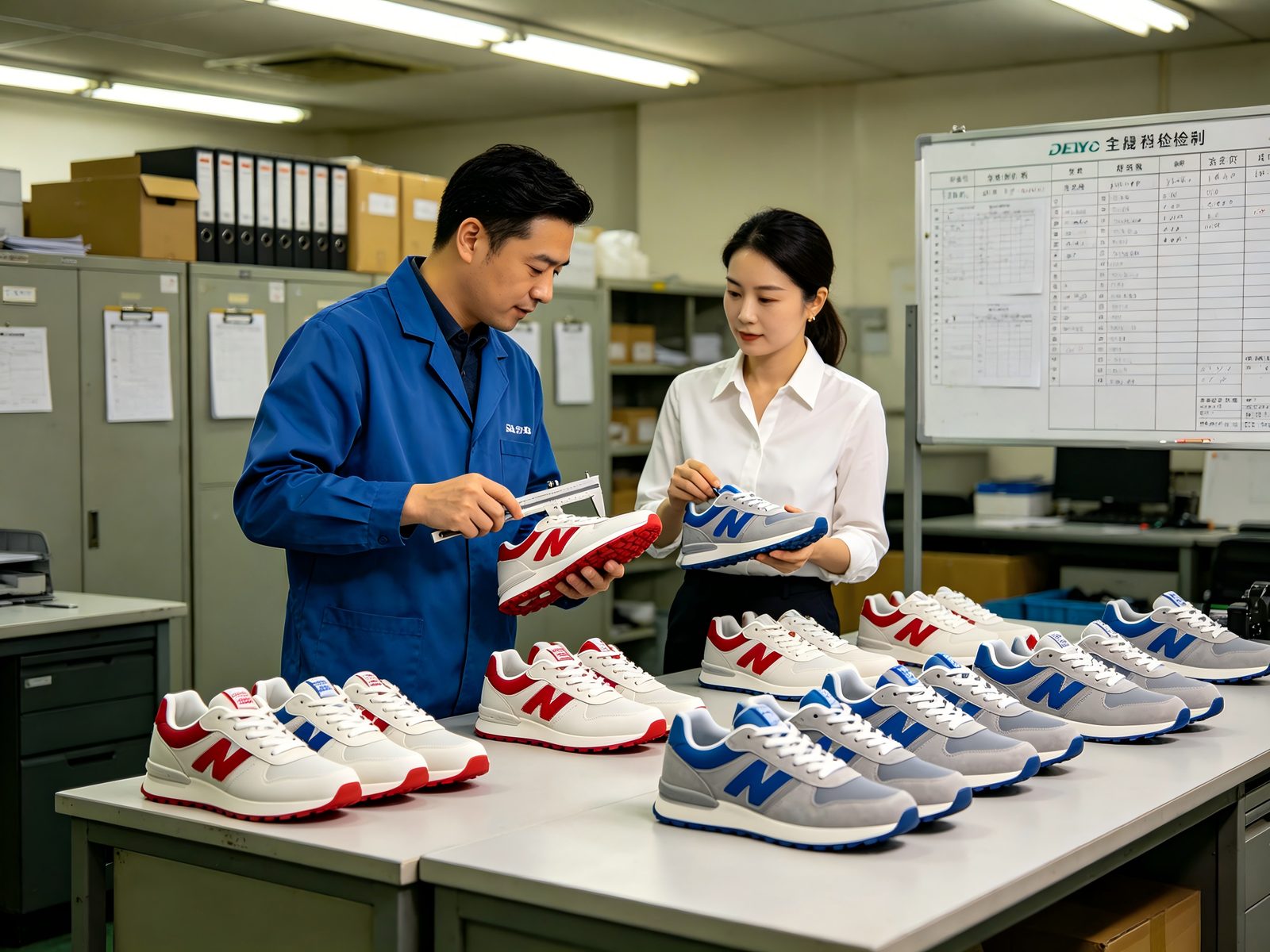
| In-process quality | WIP photos, a QC station shown live | How rejects are actually handled |
| Packing and warehouse | Polybag line and carton count on camera | Carton crush, storage humidity |
| People and shifts | Headcount and shift schedule on camera | Turnover and morale, felt not measured |
The last column refines a judgement the others have already made.
The Live Video Walkthrough: What to Ask to See
Book the call for production hours — morning in China is your evidence window — and set three demands. First, no pre-recorded video; the walk is live and unscripted. Second, the host walks the line that runs your construction, not the showroom. Third, you choose two spots on the spot: ask the camera to stop at any machine and read the nameplate aloud. A real factory passes without hesitation. Two details tell more than any speech: whether QC sits inside the line or in a separate room, and whether the stacked goods are one order's worth or a warehouse tour.
Dissect the Sample, Don't Admire It
A sample that arrives beautiful proves a courier worked. Ask the supplier to cut a second sample open on camera while you watch. Where it is cut decides what you learn. Our construction is one-piece injection EVA: no midsole seam, no glue line, so a cut through the waist shows one continuous material, nothing to delaminate, no adhesive batch to trace. A garden clog shows this in one cut. Cemented styles differ: a white knee-high boot cut at the joint shows whether the adhesive line is even and the lasting margin clean. Ask which defects are inspected at each stage; a factory that names its own common failures is looking for them.
Production-Time Evidence Beats Sales-Time Evidence
Everything before a deposit is sales; everything after it is evidence. Once an order is confirmed, three documents cost minutes and tell you almost everything. Ask for a photo of your goods on the line on a stated day, the line visible behind them. Ask for a weekly production count against the agreed schedule. Ask for photos of the packed cartons with the shipping marks visible before they are closed. A supplier who volunteers these without being chased has QC that runs on rhythm, not on memory. The checklist behind this habit sits in our seven-point quality checklist for private label footwear, and it maps one to one onto remote verification.
Reading Capacity Claims Against a Real Order
Capacity is the claim remote audits get wrong most often, because it is easy to inflate and hard to verify. Never accept a monthly total. Ask three narrower questions: which lines run your construction, how many pairs per line per day on that construction, and what else is booked on those lines this month. Then ask to see those lines live — the answer should be the same room, not a different building. A factory with twelve years of export history and 500+ SKUs knows its real numbers; a factory that answers with a round figure and no breakdown is quoting ambition. Test it with a date: if we place 600 pairs next Monday, when does the last carton leave?
How We Host a Remote Audit From Our Side
An audit request reaches us in Jimei, Xiamen, and the reply follows a fixed order. First the document set, complete, in one email. Then the basis, in writing: one-piece injection EVA, MOQ 600 pairs per colour, one pair per polybag, 30 pairs per carton, FOB Xiamen or EXW, 25–35 days from deposit and sample approval. Then the walkthrough, live, on the lines that would run your order — the home-comfort slipper lines if that is your category. Then the cut sample, on camera, construction shown where a knife would find it. We ask one small thing: send the artwork and size run first — auditing a line for a product that does not exist proves nothing. The floor behind this is on the about page.
When to Bring in a Third-Party Inspector
A factory audit plus a third-party inspection of your goods is the standard combination for a first order: the inspector checks the product, not the supplier. Two rules make the money count. First, brief the inspector against your own specification — construction, size run, packing format, carton marks — not against "general quality". Second, inspect before the balance payment, when you still hold leverage. For a trial order of 600 pairs the fee is a small fraction of order value and buys a written record for any dispute. On a mixed container, have each style sampled: a defect that crosses styles is a process problem, and it will not stay at one style.
Mistakes Buyers Make With Remote Audits
Five errors cause most of the complaints that follow:
- Auditing the video, not the factory — a polished film is marketing; only a live walk is evidence.
- Accepting a monthly capacity figure — lines, not factories, run orders; ask which line and which day.
- Stopping at one call — a second walkthrough, mid-production, shows what the first was built to hide.
- Skipping the document cross-check — a licence that never met a registry lookup is decoration.
- Treating the audit as the end — the remote audit qualifies a supplier; only a trial order audits the product.
Each is cheap to fix before a deposit and expensive after one. If a supplier fails the filter, walk away — factories that pass it are many, and the contact page starts the conversation with one that does.
From Audit to Trial Order
The audit ends where the trial order begins; the trial is the only audit that runs under real conditions. Keep it small: 600 pairs in one colour, or two or three styles mixed in one container to test several markets. Freeze the specification before the deposit — construction, size run, packing format, carton marks — so everything the audit checked is written down and nothing drifts between quote and goods. Hold the inspection before the balance, and keep the paper trail from document request to delivery in one folder. When the trial arrives, compare it against the sample you cut on camera. If they match, you have not just bought 600 pairs; you have bought a supplier you can scale with.
FAQ
Can a video call really replace a factory visit?
For qualification, yes — documents, a live walkthrough and a cut sample cover what buyers need before a first order. For reassurance on your own production run, no. Qualify remotely now, and time a floor visit to your first large order.
What documents matter most in a remote audit?
Business licence, export record, and a written quotation with named numbers — incoterm, MOQ, lead time start point, packing basis. The licence can be checked in a public registry; the quotation compared line by line with every other reply you received. Documents you cannot cross-check are documents you cannot use.
How do I verify production capacity remotely?
Ask which lines run your construction and how many pairs per line per day, then ask to see exactly those lines live during production hours, and what else is booked on them this month. Consistency across three moments — email, call, follow-up — is the evidence; a single confident number is not.
Should I hire an inspector for a 600-pair trial order?
Usually yes. The fee is a small share of order value and the report gives a written baseline: construction, size run, packing, carton marks, checked before balance payment. On a mixed container, have every style sampled — a defect repeating across styles points at the process, not the batch.
What is the biggest blind spot of a remote audit?
Time on the floor. A screen cannot show how a line behaves at hour six of a shift, or how the factory reacts when your order and a larger one compete for the same machine. That is why the trial order exists: it turns the audit into a measured rehearsal under real conditions.
Send the artwork and your target retail price and we will come back with a mould, a print method and a landed cost.