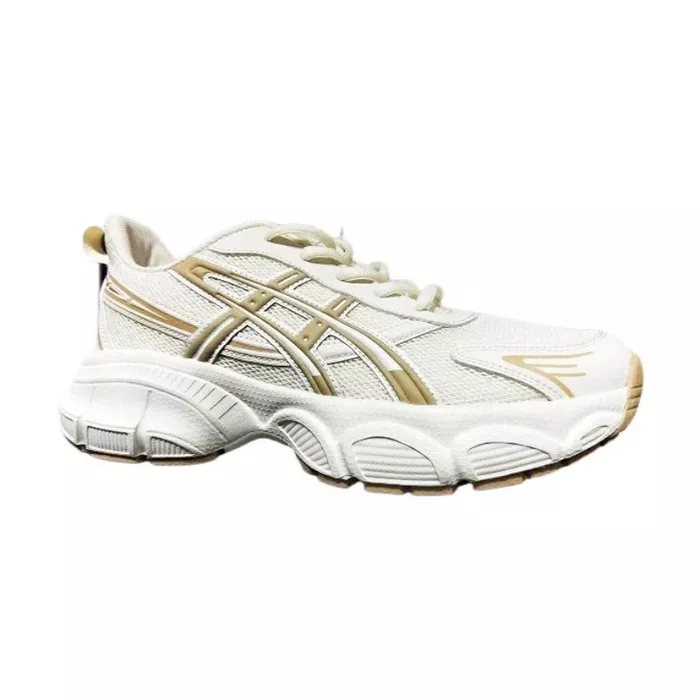
Quick Answer: A new sole mould is only needed when the outline, sidewall profile, tread pattern or size grade of your chunky sneaker must change. Colour, upper material, logo and print placement do not need new tooling: our oatmeal, warm grey and mustard chunky runners all share one mould family. Our minimum is 600 pairs per colour, one pair per polybag and 30 pairs per carton, with production 25-35 days after deposit and sample approval. Freeze the outline first.
In this guide:
- What a sole mould actually is
- Read the sole as a specification sheet
- Shared mould family vs a new tool: a comparison table
- What a new tool locks in
- What drives the work behind a new mould
- How we plan this run from the factory side
- One tool, three colourways: the chunky runner family
- Size grades and the 39#-45# ladder
- Sampling, approval and the freeze list
- Where buyers get this wrong
- Working back from 25-35 days and a mixed first container
- FAQ
What a Sole Mould Actually Is
A sole mould is the steel that fixes the shape of the outsole and the layered midsole beneath it. On a chunky sneaker the build is cemented: a rubber outsole is bonded to a layered EVA midsole, and that unit is joined to a cut-and-stitched upper. That is a different construction from the one-piece injection moulded EVA we run on our slipper and clog lines, where the whole body leaves a single tool with no midsole seam and no glue line. Our oatmeal chunky runner is the reference style here. When a buyer asks for a new mould, the real question is which lines of the sole have to change. Name those lines before anyone discusses tooling: a colour change is not an outline change.
Read the Sole as a Specification Sheet
Do not send a side-profile photo as a brief. Ask the supplier to fill named lines: outsole compound and lug pattern, midsole layer count and hardness, sidewall height and profile, heel-to-toe drop, stack height at heel and forefoot, and the size run with a pairs-per-size curve. Adjectives get read two ways by two factories; measured lines do not. Three lines that must be closed before a tool is cut:
- Outsole pattern, sidewall profile and stack height at both ends of the shoe.
- Midsole layer count, material and the grade of each size step.
- Whether the requested outline already exists in the supplier's mould family.
The third line decides the whole project. If the outline exists, the first order is a colour and material decision, not a tooling one.
Shared Mould Family vs a New Tool: A Comparison Table
The two routes share an order book but not a checklist. Read them as two planning units and ask the supplier to confirm every line marked here rather than assume it.
| Line on the brief | Shared mould family | New sole tool |
|---|---|---|
| Outline and sidewall | Fixed to the existing tool | Cut to your drawing |
| Tread pattern | Fixed to the existing tool | Cut to your drawing |
| Upper material and colour | Open at sampling | Open at sampling |
| Logo and print placement | Open at sampling | Open at sampling |
| Size grade | Fixed to the existing tool | Graded with the new tool |
| What to freeze first | Colourway, upper mix, artwork | Outline, sidewall, tread, grade |
What a New Tool Locks In
A steel tool fixes the geometry that cannot be revised later: outline, sidewall profile, tread depth, stack height and the grade of every size step. Upper material, colour blocking, logo method, print placement, lining and packaging stay open at sampling, but once the tool is cut the geometry cannot be redrawn without cutting again. We recommend that buyers who are still testing a market start on a shared mould family, prove the colour and the fit with real sell-through, and only then commission a tool for an outline that their own data says will last more than one season.
What Drives the Work Behind a New Mould
The title asks what a new tool truly costs. From a factory desk the honest answer is that four decisions drive the work, and we will not publish a figure on a public page because it would be meaningless without your sheet: how much of the sole geometry is new rather than shared, how many size grades the tool has to cover, how many colourways and print placements sit on the upper, and how many upper panels and stitch lines the build carries. Our guide to upper construction sets out the fourth of those in detail. Ask any supplier which of those four decisions changed between two proposals, and you get comparable answers instead of two unrelated numbers.
How We Plan This Run From the Factory Side
From our side of the desk the order is a sequence of quantities, not a description. We read the sole sheet, then the pairs per size, then the colours, and only then do we know how many 600-pair blocks the order contains. We check the outline against the mould family, slot the tooling schedule against that block count if a new tool is needed, reserve the rubber compound, EVA layers and upper material for each colourway, and set packing to one pair per polybag and 30 per carton. Anything still open on the sheet at that point becomes a delay. We have worked this way for 12 years, across 60+ countries, with 500+ SKUs and 5 million pairs shipped, from our office at Room 2103, No. 22 Xingqian Road, Jimei, Xiamen. Buyers extending a range usually start from the sports series and add a second style after the first season.
One Tool, Three Colourways: The Chunky Runner Family
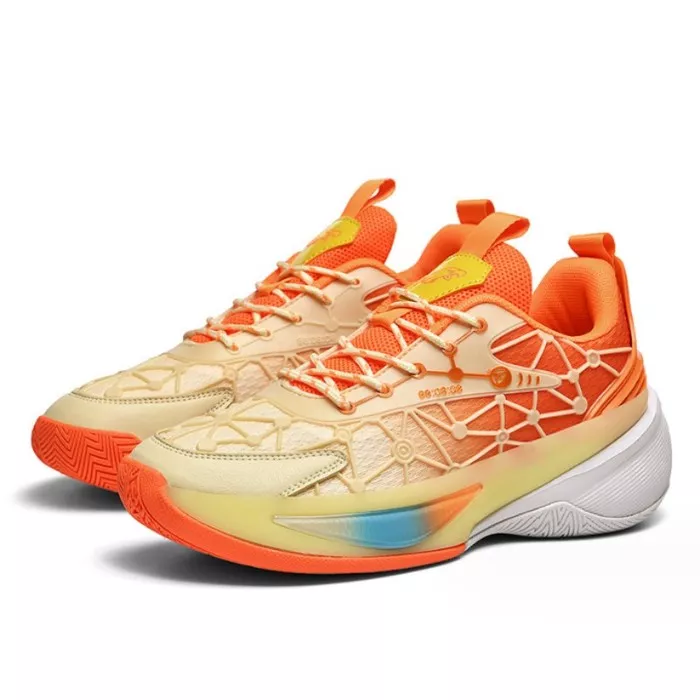
The clearest way to see the difference between a tooling decision and a colour decision is our own chunky runner family. The warm grey version uses a suede-effect and mesh upper, the mustard version changes the panel colours and contrast layout, and the oatmeal version changes the upper mix again. All three sit on the same layered EVA and rubber sole, with the same 39#-45# run and the same outline. A retailer gets a complete autumn colour wall from one tool, one set of samples and one production slot. That is the route we suggest for a first order: cover three colourways from a shared tool, then decide whether your market needs a silhouette of its own.
Size Grades and the 39#-45# Ladder
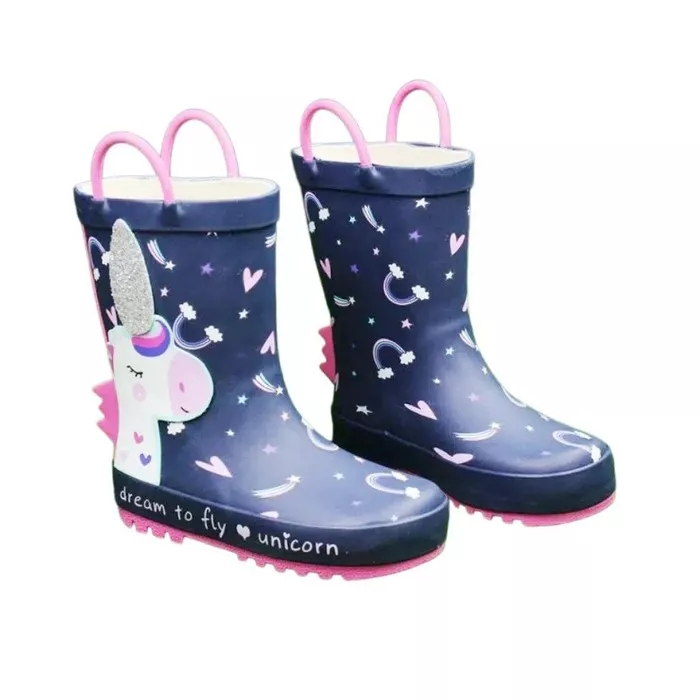
A size grade is cut into the tool, not written onto the carton afterwards. The chunky runner is graded 39#-45# for adult unisex programs, and the grade of each step has to be fixed before steel is cut. Our kids styles are a separate discipline entirely, graded in two runs, 24#-29# and 30#-35#, each with its own outline and its own tool. Do not borrow a kids ladder for an adult brief, and do not assume one approved sample covers two runs. Ask for a pairs-per-size curve for every run in the order, check that each curve totals the 600-pair colour block, and mark the run on every carton so a mixed container can be split correctly at the warehouse.
Sampling, Approval and the Freeze List
Sample approval is where the sole sheet becomes a physical pair. Ask for one pair in each colourway and each print placement, then check the outline, sidewall profile, tread depth, stack height and how the upper meets the sole at the edge. Freeze the geometry before the tool is cut and the cutting dies are made; colour, print placement, lining and packaging stay open a little longer. Our specification guide for clogs sets out the same discipline on a moulded shape: name the lines, then freeze them. Approving one colourway and assuming it covers the rest leads to a second sampling round, and a second round pushes the ship date. Write the freeze list into the order and keep the approved pair at the factory for the reorder.
Where Buyers Get This Wrong
The same three mistakes appear on most first tooling enquiries, and none of them is a factory problem. Each one is a line missing from the brief, cheap to fix before a deposit is paid and expensive to fix once steel is cut. Three to check on your own sheet:
- Asking for a new mould when the outline they want already exists in the supplier's family.
- Leaving sidewall, stack height and size grade as a photo instead of measured lines.
- Asking for a certificate name rather than the importer's document list.
Working Back From 25-35 Days and a Mixed First Container
Production runs 25-35 days after deposit and sample approval, quoted FOB Xiamen or EXW. The clock starts when the last open line is closed, not when the enquiry arrives, so work backwards from the shelf date and leave room for freight and for a tooling slot if a new tool is needed. A first order does not have to carry the whole range: mixed containers are routine, and two or three styles can travel together to test a market before a second season. Keep the size curve and packing identical across those styles, or the comparison tells you nothing. Our contact page is the route for sending the sheet, and Nicky Chen at [email protected] handles the brief through to packing. Three lines that must be closed:
- Every style in scope, each with its own sole specification sheet.
- Size runs and a pairs-per-size curve for each run.
- Approved sample pairs and the final artwork files.
FAQ
Does a new colourway need a new sole mould?
No. Colour, upper material, logo method and print placement stay open at sampling. A new tool is only needed when the outline, sidewall, tread pattern or size grade has to change.
Do you supply safety test reports or certificates?
We do not claim certificates we cannot show. Tell us which documents the importer needs for the destination market and we will state plainly what we can provide and what the buyer must arrange.
Is 600 pairs the order minimum or the colour minimum?
It is 600 pairs per colour. Three colourways are three blocks, and each block is 20 cartons at 30 pairs per carton.
Can a first order mix a new-tool style with existing styles?
Yes. Mixed containers are routine and many buyers start with two or three styles, then extend the range once the reorder pattern is clear.
When does the 25-35 day lead time start?
After the deposit and the approved sample. Anything still open on the sole sheet pushes the start date, so closing the freeze list protects the ship date.
Send the artwork and your target retail price and we will come back with a mould, a print method and a landed cost.